As filmmakers, we know that music and picture go hand in hand. But sometimes, shushing up is the best soundtrack of all. So when should creators let the silence roar? We talked with Brian Hall, co-founder of Marmoset, a full-service music licensing and music production company, about using silence as a storytelling technique. Brian is a composer with years of experience scoring both commercial and indie films; he’s a seasoned expert on both sound and, as it turns out, silence. If a musician is telling you to skip the music, you know there’s gotta be something behind it. Inspired by conversations with him, here are four scenarios when the silent vacuum of nothingness can act as the ultimate soundtrack. 1. Music = subjective experience. No music = objective reaction. When effectively applied to film, music can influence the viewer’s emotional experience. That’s great if it works for your story, but what if you’re aiming to be objective? Removing music removes a subjective layer. And when you’re objective, you allow the visuals and other natural sounds to take priority, so your viewer’s experience is less contrived. This technique is especially great for documentaries.
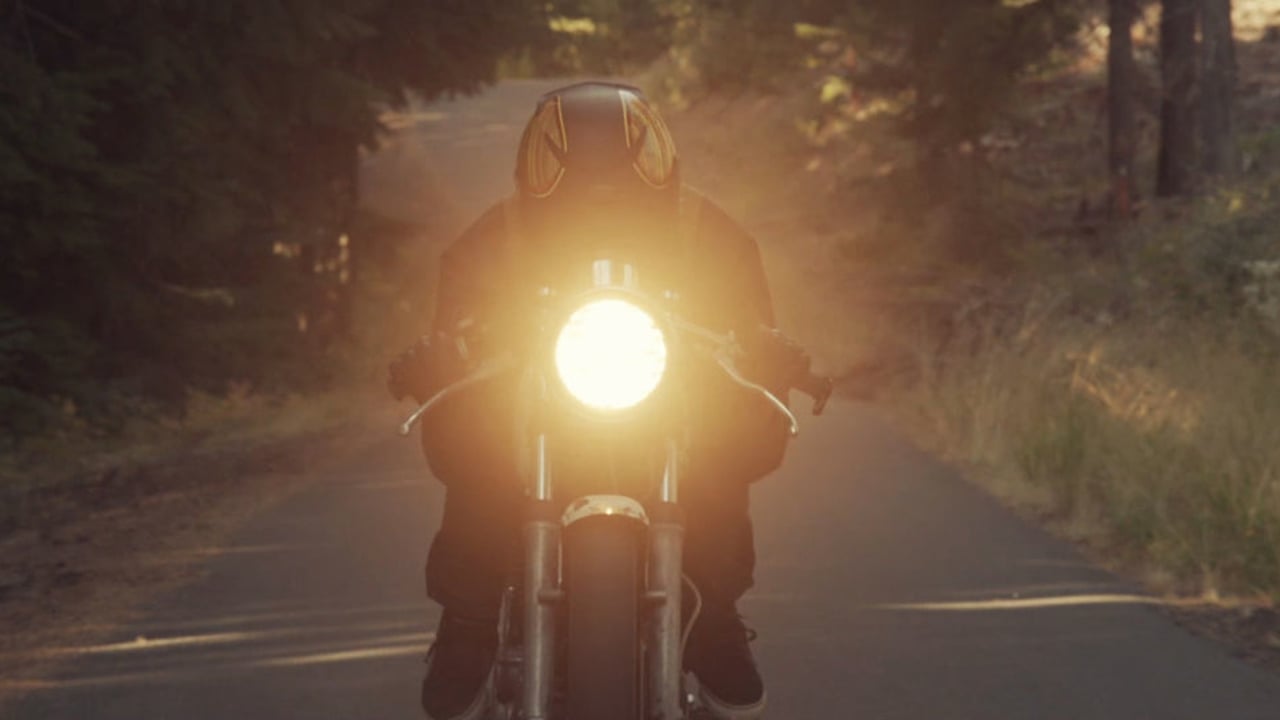
You can see it in this action in several scenes of The Build, a video about building motorcycles that Marmoset scored for Instrument, a creative agency in our hometown of Portland, Oregon. For example, as one of the characters is grinding motorcycle parts on metal as he talks about the challenges of his job, the purposeful lack of music means the moment isn’t romanticized, and the creator refrains from influencing the moment. 2. Shed the safety blanket Music lets people feel more comfortable with what they’re watching. But if you remove that safety blanket, people feel vulnerable, even shocked or scared. Case in point: horror films. Silence is exploited frequently because it’s often the scariest viewing experience. (Of course, Psycho and Jaws are notable exceptions, but the horror genre, in particular, is mindful of using silence and sounds purposeful!) When you take out music, your viewer is left with just the picture, natural sounds, and the weight of their own thoughts — scary, bloodcurdling ones! 3. Other sounds may roam free Every sound layer in your film — soundtrack, effects, interview audio, etc. — takes up space. The more layers you have, the less of an impact each layer makes. Think of it as a living room: if you walk into a space with just a couch, that’s all you notice. Now fill that same room up with a bunch of furniture, art on the walls, background music, and an unruly birthday bash. Suddenly, that couch no longer makes as much of an impact as it did before. The same principle applies to sound in your films. When there are no natural sounds, your viewer focuses more on the other noises. And the opposite happens, too: without a soundtrack, the viewer focuses on your other sonic layers, allowing them to achieve maximum impact if that’s what your story calls for.
Watch Avocados and Coconuts‘ film for Hipcamp, ‘Find Yourself Outside,’ and you won’t hear a soundtrack, but rather a series of natural sounds. The viewer hones in on the stripped-down crunch of footsteps on dirt, the hammering of tent stakes into the ground, the strike of a match, the ripple of a creek, and bird calls. The focus on the environment’s sounds let’s the viewer feel that they are, in fact, in nature. 4. Cue changes Let’s say your film has reached a turning point. How can you guide your viewer to the next scene? You can remove the soundtrack to let your audience know that a transition is under way. This moment of silence gives your audience a moment to gather themselves and their thoughts before the next chapter begins. Even a little break in the soundtrack can have a huge impact on how your audience will feel.
Look at the opening scene of Joe Simon’s film for Oakley featuring BMXer Chase Hawk to see this technique in action. The film is all about the action of BMX biking, but it starts off in silence with a view of Austin at sunrise, placing the viewer in a broader context before shifting to focus on the main character. With the clang of some pots, the character wakes up and is jolted into action. The contrast of silence with sudden noise signals a transition, and as a soundtrack is added in, the sense of action builds even stronger. When have you opted for silence in your films? Share your experiences and any questions you have in the comments section below. To learn more about using silence (or music) effectively in your films, visit the Video School sound archives and the Academy of Storytellers. And for sound-related video wonders, watch Marmoset’s videos on Vimeo.