Video can be very effective at reaching the right audience and encouraging them to check out your brand or products. However, creating content that has this effect consistently takes plenty of time and coordination, so you’ll want to be intentional about your video marketing strategy.
When you follow proven best practices and use the right tools, you can create great content even with a small team or tight budget. In this article, you’ll learn how to build a robust digital video marketing plan that includes producing content, optimizing performance, repurposing videos, and tracking engagement metrics.
Benefits of digital video marketing
Digital video marketing is the use of video content to support a broader marketing strategy. These videos are designed to attract new audiences, build brand awareness, and drive clicks or sales. Effective content comes in many formats, from social media clips to long-form product demos, and it can be used across every stage of the buyer’s journey.
Videos are useful because they tend to hold attention longer, making your message more memorable and giving search engines stronger engagement signals. They’re also more approachable and sharable than many text-based marketing formats. In addition, consistent video marketing builds audience familiarity that can make your brand appear more credible.
Common types of digital video marketing
Video marketing for business isn't one-size-fits-all; different target audiences and awareness stages require different formats. If you’re not sure what types of videos to build your strategy around, here are some great places to start.
Customer stories
Testimonials show real buyers talking about the problems they faced and how your product or service helped them. Viewers tend to find these stories relatable and more trustworthy than standard marketing content. Testimonial videos are often most effective at the conversion stage, when prospects are trying to decide whether your product is worth their time and money.
Product demos
These videos demonstrate what your product is and how it works, whether through detailed demos or short-form social clips. A well-made product or explainer video answers the questions typical buyers ask, like what the key features do and how the product will fit into viewers’ workflows. This format performs especially well at the consideration stage, when your audience is actively comparing options.
Brand videos
Brand videos focus on who you are rather than what you sell. They might tell the story of your brand and its culture or provide quick behind-the-scenes walkthroughs. These videos prioritize recognition and emotional connection over direct response, and they build brand awareness at the top of the sales funnel.
How to source video marketing content
There are several ways to produce marketing videos, and the best choice will depend on your budget and goals. You can:
- Shoot original footage: On-location or in-studio filming gives you full creative control and makes it easier to produce content that's specific to your brand.
- Record your screen: Simple tutorials and direct-to-camera explainers are fast to create and work well for educating your audience. Screen recorders make the process straightforward and require minimal setup.
- Capture webinars and other virtual events: Recorded sessions give you long-form video content you can repurpose into shorter marketing clips.
- Collect user-generated content: Customer-submitted videos and social posts provide authentic material without requiring original production.
- Use stock footage and templates: Stock footage and pre-built templates let you create videos without starting from scratch.
Tips to optimize your video marketing performance
However you create it, small adjustments to the way you structure and present video content helps it make a stronger impact. Here’s how to drive engagement:
- Focus on the hook: The first few seconds of a video often determine whether your audience keeps watching. Open with a clear promise, an exciting hook, or a visual that creates immediate curiosity.
- Cut the fluff: The longer your video is, the more viewers won’t reach your call to action (CTA) at the end. If a scene, line, or transition doesn't add important information or move the story forward, cut it.
- Design for sound off: Most social videos play without audio by default, so use captions and visuals that communicate the message clearly.
- Add interactivity: Clickable hotspots and in-video CTAs turn passive viewers into active participants. Interactivity also generates engagement data that tells you where viewers pay attention and where they drop off.
- Lean on AI-powered tools: AI can accelerate scripting, editing, and repurposing, which cuts down on production time without sacrificing output quality. It’s worth building a modern AI video editor into your workflow early, especially if you create marketing content at volume.
- Optimize for search engines: Video marketing SEO is essential for getting your content in front of the right viewers. A strong SEO strategy starts before the video goes live, and it continues as you test and refine future content based on performance data. Write titles that match how your audience searches, use descriptions to add relevant keywords, and optimize your videos’ metadata.
Get your videos seen with Vimeo’s SEO tools →
Top ways to repurpose your marketing video content
Repurposing is one of the most effective tactics in video content marketing, turning one asset into multiple pieces without the production overhead of starting over. You can repurpose content to create:
- Social clips: Trim a longer video into short-form clips optimized for social feeds.
- How-to content: Pull instructional segments from webinars or product walkthroughs, and repackage them as standalone tutorials.
- Speaker spotlights: Isolate strong moments from interviews or panel sessions, and turn them into quote clips for social media and email campaigns.
- Trailers: Cut together a short trailer from a longer event recording or video course to drive registrations or views.
- Highlight reels: Compile the strongest moments from an event or series into a highlight video. This content extends the value of live events and gets people excited about future opportunities.
- Advertisements: Adapt existing brand or product videos into ad-friendly formats by tightening the edit and leading with a strong hook.
Key video performance metrics to track
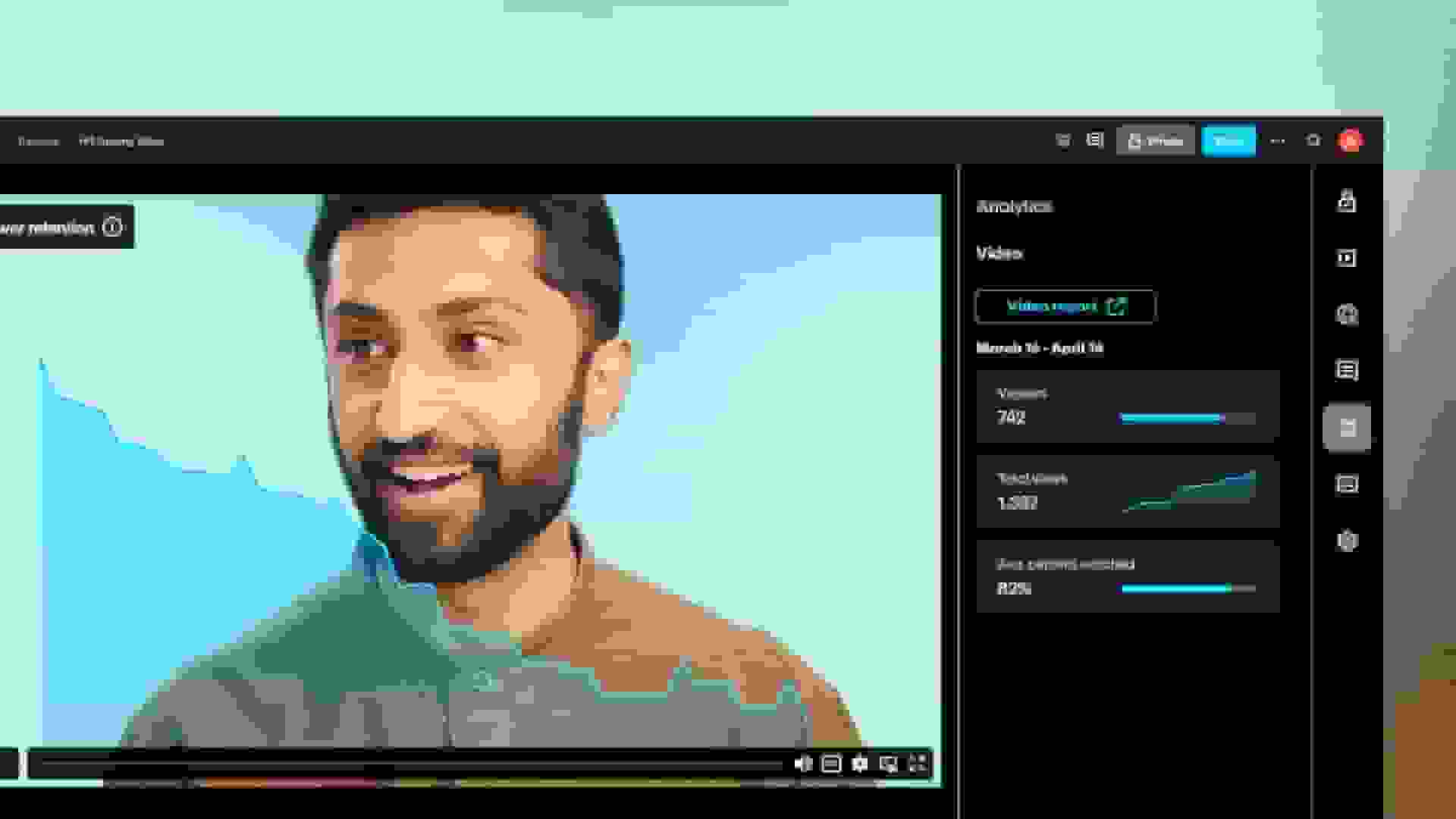
View counts and impressions show reach, but they don’t tell you whether your video marketing makes an impact. Avoid too much focus on vanity metrics, and instead track video analytics like:
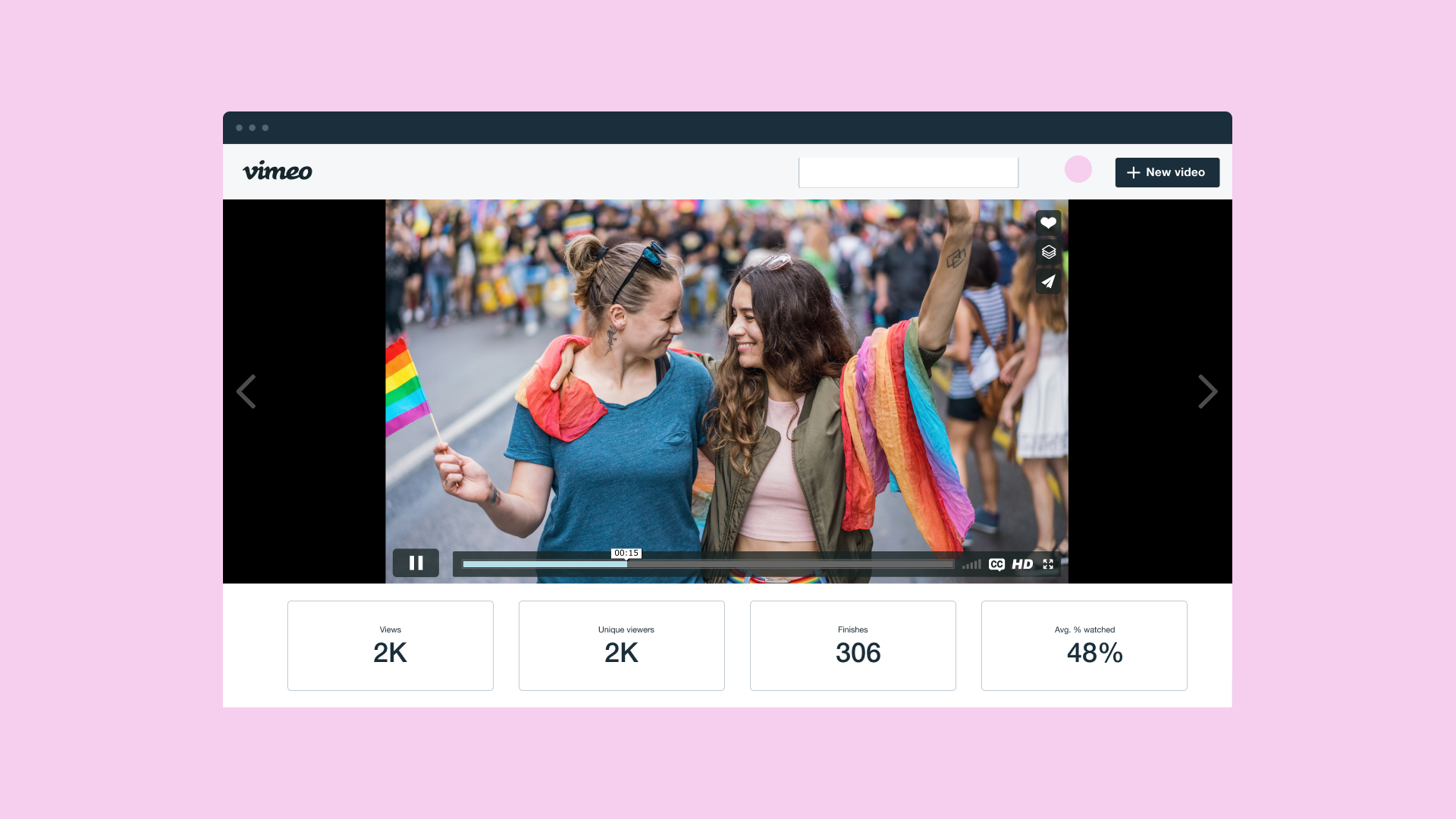
- View count: The number of times your video content has been watched. This metric is useful as a baseline for measuring reach and brand awareness.
- Engagement: The percentage of viewers who interact with your video through likes, shares, comments, and/or clicks. High engagement signals that your content resonates with its audience.
- Watch time: How long viewers watch a video on average. A high drop-off rate, especially in the first 30 seconds, usually points to a weak hook or a mismatch between the title and content. Consistent mid-video drop-offs can signal pacing issues or sections that don’t come across as relevant.
- Social shares: How often viewers share your video on their favorite networks. Shares extend your reach beyond the existing audience without additional spend.
- Click-through rate: The percentage of viewers who click on a CTA or other linked element. This shows whether your video content encourages people to take next steps.
- Conversion rate: The percentage of people who complete a target action, like a purchase, sign-up, or form submission. Conversion ties video marketing spend to measurable business results.
- Hook rate: The percentage of your audience that watches past the first few seconds. A low hook rate means the video’s opening doesn't give your target audience a clear enough reason to stick around.
Make the most of your digital marketing videos with Vimeo
Any digital marketing strategy is only as strong as the tools you use to make it a reality. When you don’t have access to the right features, or you have to work across disconnected tools, you waste valuable time and resources.
Vimeo brings your full video production workflow into one place. Through a single platform, you get ad-free hosting, a customizable Video Player, built-in analytics, editing and interaction tools, and collaboration features. In other words, Vimeo gives you everything you need to produce and optimize high-performance marketing content.